

Nashville Restaurant, Hotel & QSR Construction
Design-build hospitality construction across Nashville and Middle Tennessee: QSR drive-thru, fast casual, full-service restaurants, fine dining, honky-tonks and live-music venues, breweries and distilleries, select-service hotels, full-service hotels, and upscale and luxury hotels. Music City tourism market, tornado-rated envelope, and TABC licensing built in.
Nashville Restaurant, Hotel & QSR Cost Estimator
Describe your restaurant, QSR, brewery, or hotel project and get a preliminary cost estimate powered by TCG.ai, calibrated to Nashville and Middle Tennessee hospitality pricing.
Tell Us About Your Nashville Hospitality Project
Describe your restaurant, QSR, brewery, or hotel project and get a preliminary cost estimate powered by TCG.ai, calibrated to Nashville and Middle Tennessee hospitality pricing. Our AI applies Nashville and Middle Tennessee cost indices automatically.
Analyzing Your Nashville Project
Our AI is evaluating construction costs using Middle Tennessee market data…
Your Nashville Hospitality Cost Estimate
How TCG Builds Restaurants, Hotels & QSR in Middle Tennessee
Nashville is one of the strongest hospitality construction markets in the country. Roughly 15 million tourists per year, anchored by Lower Broadway honky-tonks, the Country Music Hall of Fame, Ryman Auditorium, Bridgestone Arena (Predators NHL and major music venue), Nissan Stadium (Titans NFL and concert market), and a rapidly growing convention business, drive sustained restaurant and hotel pipeline. Hotel construction has been among the most active in the US for the last decade, with full-service and upscale builds concentrated in the Gulch, SoBro, downtown core, Music Row, and Germantown plus suburban select-service growth in Cool Springs, Brentwood, Hendersonville, and Mt. Juliet. Nashville now holds roughly 50,000 hotel rooms metro-wide with continued pipeline.
Lower Broadway honky-tonks are their own construction problem: four-story buildings with rooftop bars, simultaneous live music stages on multiple floors, full kitchen service alongside heavy beverage volume, and tight historic district detailing on storefronts. Heavy acoustic separation between live music floors, oversized HVAC for crowd heat and humidity, kitchen exhaust and makeup air that does not fight the music venue ventilation, rooftop bar life safety and weather enclosure, and Metro Nashville historic and design review for facade work all factor in. Brewery hospitality combines food service, TABC brewer or distiller licensing, glycol chilling for fermentation tanks, and CO2 monitoring; Tennessee whiskey distilleries add explosion-proof zoning around stills. Nashville BBQ pits need oversized hood exhaust, grease management, fire protection at the pit, and structural support for masonry mass.
Two regional items factor into Nashville hospitality construction beyond standard operational complexity. First, tornado exposure: the March 2020 outbreak directly impacted East Nashville and Mt. Juliet. ASCE 7 wind ratings (115 to 130 mph), anchored rooftop equipment, ballasted vs adhered roof selection on hotels, reinforced storefront detailing for restaurants, and shelter-in-place provisions for hotel guests (some operators specify ICC-500) all factor in. Second, limestone karst geology on parts of Middle Tennessee requires geotechnical investigation; foundation premium versus benign soil runs 5 to 15 percent on multi-story hotels. TCG engineers architecture, MEP, and structural in-house and coordinates TABC licensing, Davidson County Health Department food service review, and Metro Nashville Codes or suburban permitting in parallel. Design-build compresses program 15 to 30 percent.
Nashville Restaurant, Hotel & QSR Cost Per Square Foot
Nashville hospitality construction runs $185 to $880 per SF depending on format. Multiplier 0.95 to 1.10x of national. Music City tourism premium hits high-end hospitality hardest; commercial kitchen and brand-standard FF&E track national operator pricing.
Fogo de Chão, Phoenix, AZ
TCG provided construction management for a full-service Fogo de Chão Brazilian steakhouse in Phoenix, Arizona, coordinating the open churrasco grill line, bar, dining room, and commercial kitchen through opening.
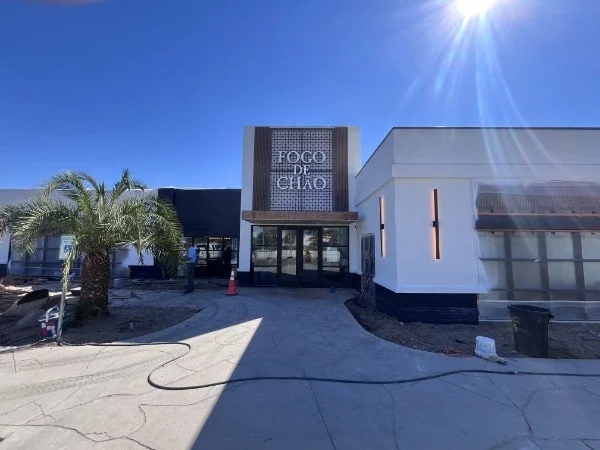
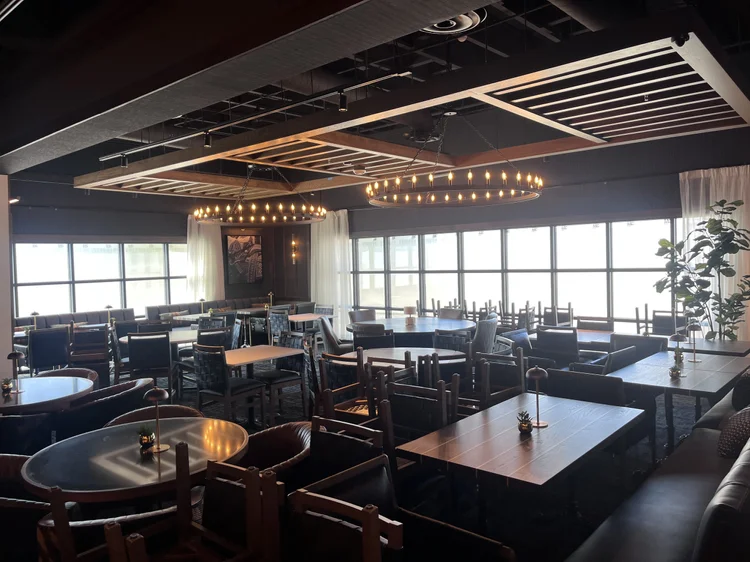
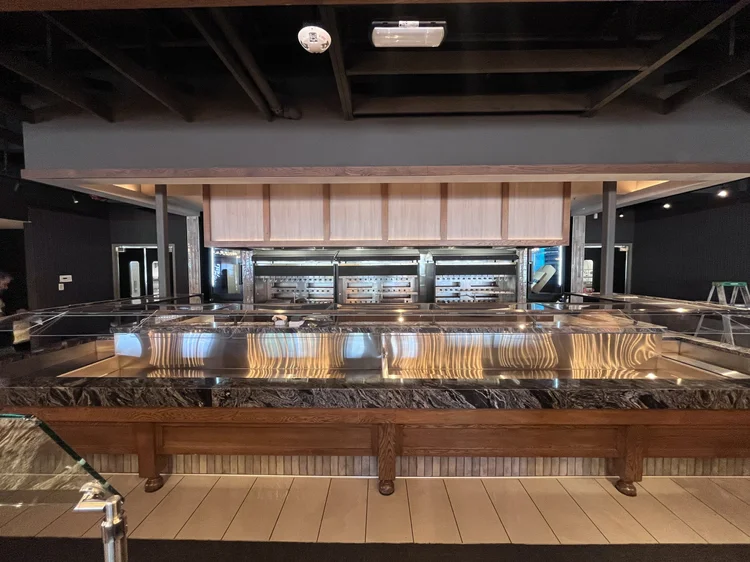
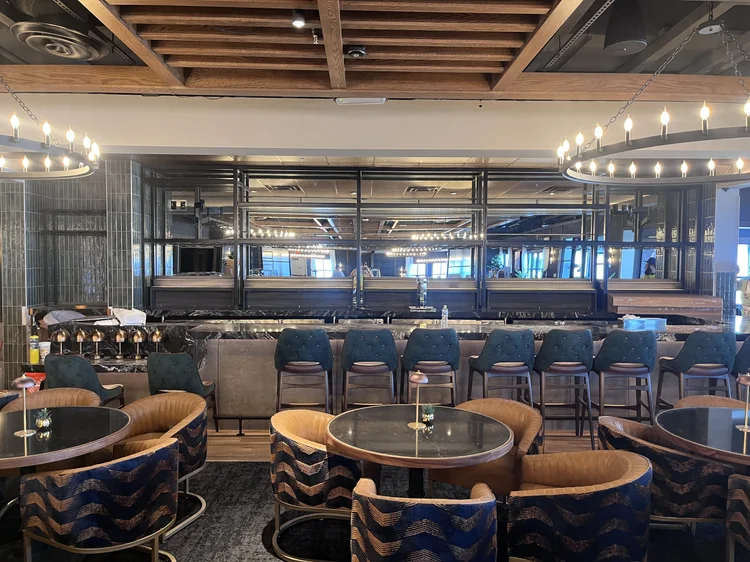
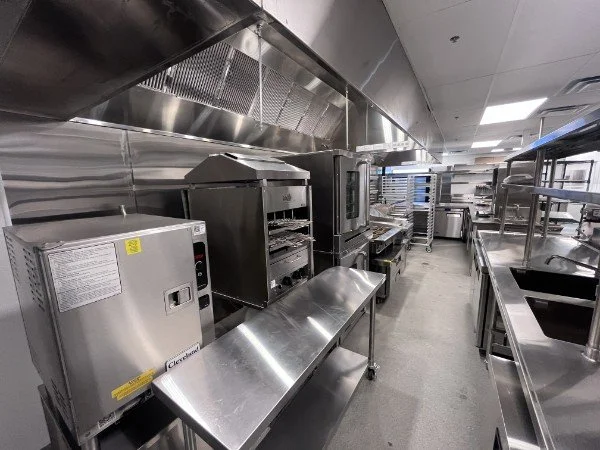
High-end restaurant work is schedule and detail driven: hoods, make-up air, gas, grease systems, and finish quality all have to land on the same opening date. TCG ran the trades, the schedule, and owner reporting to a national fine-dining brand standard.
TCG brings the same construction management and restaurant team to full-service, fast-casual, and QSR projects in Nashville.
- Kitchen: open churrasco grill line with Type I hood and make-up air per NFPA 96
- Front of house: full bar and main dining room
- Back of house: commercial kitchen and support spaces
- Exterior: facade and entry to brand standard
See all recent work on the TCG projects page.
Nashville Restaurant, Hotel & QSR Construction FAQ
Common questions about hospitality construction across QSR, restaurant, fine dining, honky-tonk, brewery, distillery, and hotel formats in Middle Tennessee.
TCG recently provided construction management for Fogo de Chão in Phoenix, Arizona, a full-service Brazilian steakhouse, coordinating the open churrasco grill line, bar, dining room, and commercial kitchen through opening. TCG brings the same restaurant team to full-service, fast-casual, and QSR projects in Nashville.
Nashville hospitality runs $185 to $880 per SF. Fast casual $245 to $485, QSR drive-thru $345 to $640, full-service $295 to $545, fine dining/honky-tonk $410 to $780, restaurant TI $155 to $432, select-service hotel $245 to $445, full-service hotel $410 to $620, upscale/luxury hotel $620 to $880. See the high-end restaurant cost guide.
QSR drive-thru, fast casual, full-service restaurants, fine dining, honky-tonk and live-music venues, breweries and distilleries, select-service hotels, full-service hotels, upscale and luxury hotels, and hospitality TI. See the core sector page.
Music City tourism. Nashville draws roughly 15 million tourists per year, anchored by Lower Broadway, the Country Music Hall of Fame, Ryman Auditorium, Bridgestone Arena (Predators NHL), Nissan Stadium (Titans NFL), the bachelorette market, and growing convention business. Hotel pipeline has been among the most active in the country for a decade.
Lower Broadway is a unique restaurant and live-music concentration: four-story honky-tonks with rooftop bars, simultaneous live music stages on multiple floors, full kitchen service alongside heavy beverage volume, and historic district storefront detailing. Construction items include heavy acoustic separation between floors, oversized HVAC for crowds, rooftop bar life safety, and Metro Nashville historic and design review.
Nashville holds roughly 50,000 hotel rooms metro-wide with continued pipeline driven by music tourism, convention business, healthcare conference market, and corporate relocation. Submarkets include downtown core (full-service and luxury), SoBro and the Gulch (upscale lifestyle), Music Row (boutique), Germantown (boutique), Music Valley/Opryland (convention), airport corridor (select-service), and Cool Springs (suburban).
QSR drive-thru requires site flow design (single or double lane, mobile order pickup), traffic engineering coordination with Metro Public Works or the suburban authority, ASCE 7 wind ratings on canopies (tornado-aware), and stack space for peak periods. Nashville municipal design overlays (Form-Based Code, Franklin/Brentwood design review) can constrain drive-thru massing and signage. See QSR coffee shop cost guide.
Ground-up restaurant or QSR: 4 to 7 months from intake to permit through Metro Nashville Codes or the suburban authority. Davidson County Health Department food service review runs in parallel. Tennessee Alcoholic Beverage Commission (TABC) liquor licensing applies if alcohol is served. Hotels permit 6 to 10 months.
Middle Tennessee tornado risk (March 2020 hit East Nashville and Mt. Juliet) drives ASCE 7 wind ratings (115 to 130 mph), anchored rooftop equipment, ballasted vs adhered roof on hotels, and reinforced storefront detailing. Hotel life-safety planning includes shelter-in-place provisions; some operators specify ICC-500.
Brewery hospitality combines food service, TABC brewer or distiller licensing, glycol chilling for fermentation tanks, and CO2 monitoring. Tennessee whiskey distilleries add explosion-proof zoning around stills. Nashville BBQ pits need oversized hood exhaust, grease management, fire protection at the pit, and structural support for masonry mass.
Downtown core, Lower Broadway, SoBro and the Gulch, Music Row, Germantown, Music Valley, airport corridor, East Nashville, plus suburban submarkets in Franklin (Cool Springs), Brentwood, Murfreesboro, Smyrna, Hendersonville, Mt. Juliet, and Spring Hill. TCG also builds hospitality in Atlanta and across all 50 states.
Nashville Construction Services
Every commercial sector TCG builds across Nashville and Middle Tennessee, under one design-build contract.
National Sector Expertise
TCG's core sector pages spanning all 50 states.
Services & Capabilities
In-house design, engineering, self-perform trades, and preconstruction.
Cost Guides & Resources
Data-backed construction cost research from TCG.
Commercial General Contractor Near You
TCG is licensed in all 50 states and builds in metros nationwide.
Build Your Nashville Hospitality Project
From a Lower Broadway four-story honky-tonk to a Cool Springs QSR drive-thru to a SoBro lifestyle hotel to a Germantown fine dining restaurant, TCG delivers design-build hospitality construction across Nashville with in-house architecture, MEP, and structural, Music City market depth, and TABC licensing coordination.
Schedule a Nashville Consultation