

BIM Coordination for Metal Buildings in 2026
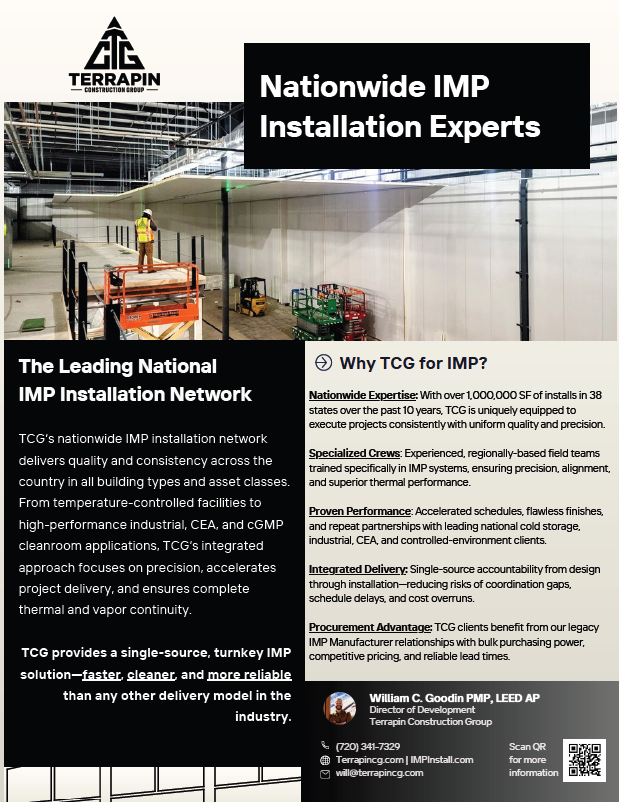
BIM Coordination for Metal Buildings in 2026
Clash detection for PEMB + IMP + MEP. Revit vs Tekla for steel. Where BIM pays on metal buildings and where it doesn't — the field-tested workflow.
Metal buildings don't forgive coordination mistakes. Tilt-up can absorb a misaligned conduit chase. Wood-frame can grind a beam pocket open with a Sawzall. PEMB and IMP cannot. The geometry is tight, the primary steel is already rolled, the purlins are exactly where the shop drawings said they'd be, and the IMP panels are cut to match. If MEP shows up to a coordination gap, you're either paying for redesign, paying for delay, or paying for both. That's why BIM coordination — federated modeling with clash detection between PEMB, envelope, and MEP — isn't optional on serious metal building work. It's the cheapest insurance a metal building project can buy.
What BIM Coordination Actually Means on a Metal Building
On a PEMB + IMP project, BIM coordination means pulling three or four separate models into one federated environment and running automated clash detection. The usual inputs: the PEMB vendor's Tekla or IFC model (primary steel, purlins, girts, bracing), the architect's Revit model (envelope, openings, IMP panel layout), the MEP engineer's Revit or fabrication model (HVAC, electrical, plumbing, fire, refrigeration), and on cold storage the refrigeration contractor's specialty piping model. The federated environment is usually Autodesk Navisworks, with clash-detection runs producing a report that the GC's coordinator resolves in weekly meetings.
The goal isn't a perfect model. The goal is zero hard clashes before steel erection starts. Hard clashes are geometric conflicts — a conduit through a purlin, a RTU that doesn't fit the frame pattern, a refrigeration line that passes through an IMP panel joint. Soft clashes (clearance issues, maintenance access) matter, but they're secondary. Hard clashes stop erection cold. For a broader look at how these issues compound on metal buildings, see TCG's expert IMP install technical guide.
BIM coordination on metal buildings = federated model (PEMB + envelope + MEP) with automated clash detection before steel erection. Typical cost: 0.4–0.9% of hard cost. Typical payback: 2–5 weeks of schedule, 3–8x the fee avoided in field rework.
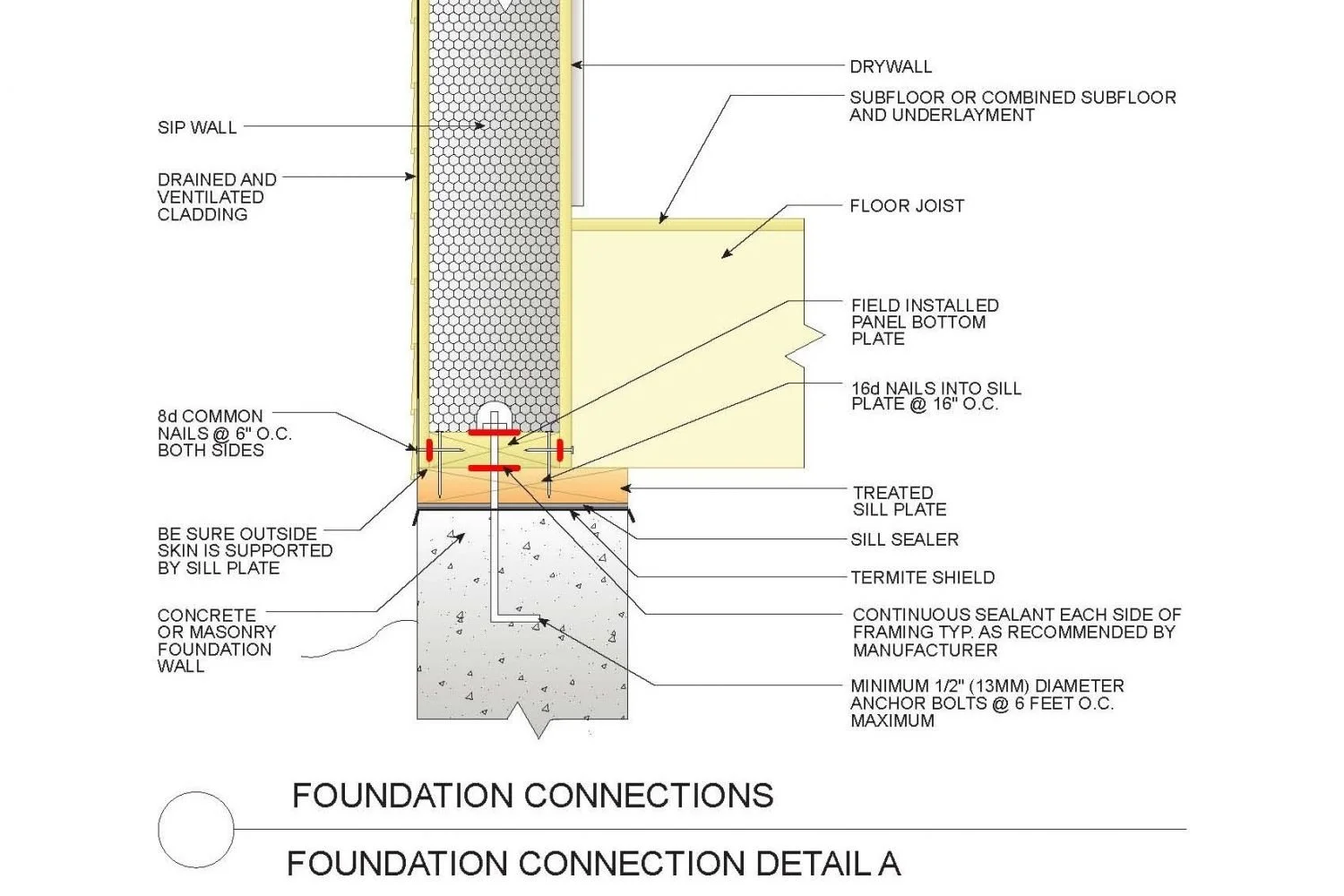
The Five Most Common Metal Building Clashes
Rooftop units specified by MEP that don't land on the PEMB purlin pattern. Requires curb redesign or frame modification. See commercial roofing cost guide for RTU curb cost implications.
Ammonia, CO₂, or glycol service lines routed through IMP panel joints. Creates vapor-barrier and insulation failure points. Detailed breakdown in our IMP cold storage guide.
NFPA 13 sprinkler mains conflicting with PEMB wind-bracing or roof bracing. Requires rerouting or bracing modification.
Electrical primary feeders penetrating PEMB frame webs without proper detailing. Structural engineer rework if caught late.
Dock shelters, levelers, and restraints interfering with IMP panel layout and door framing at truck bays. Common on distribution centers.
Maintenance access, clearance, finish conflicts. Not schedule-critical but reduce owner operational quality.
Revit vs Tekla vs Navisworks — Who Does What
Tekla Structures
Industry standard for PEMB vendors and hot-rolled structural detailing per Tekla. Bolt-level detail, direct-to-fabrication output. Exports IFC for federation.
Autodesk Revit
Primary tool for architectural and MEP modeling. Strong envelope and IMP panel documentation. Good clash performance against Tekla IFC imports.
Autodesk Navisworks
The coordination battlefield. Aggregates Tekla + Revit + MEP fab models. Runs clash-detection reports, issue tracking, and coordination meetings.
Bluebeam / Procore
Bluebeam Revu for drawing markup and Procore for RFI routing. Tracks coordination issues to resolution.
Trimble SysQue / CADmep
Used by larger MEP contractors for fabrication-level detailing — hangers, brackets, spool drawings. Exports to Revit or Navisworks.
IFC Interchange
Industry Foundation Classes. Neutral data format for moving models between Tekla, Revit, and specialty tools. Critical for PEMB-vendor interoperability.
Metal Building Project on the Board?
TCG runs federated BIM coordination on every metal building project above the complexity threshold. Send us your scope. We'll tell you where coordination pays and where a lightweight workflow is enough.
Get a Preliminary Budget
Explore TCG Service Lines
The TCG BIM Workflow on a Typical PEMB + IMP Project
1. Model Kickoff at 50% DD
Start coordination before permit drawings are done, not after. At 50% Design Development, the PEMB vendor has released preliminary frame geometry, the architect has envelope and IMP layout roughed in, and the MEP engineer has zones and rooftop unit locations. That's enough to begin federated assembly and catch macro-level conflicts. Our early GC engagement guide covers how this timing interacts with preconstruction.
2. IFC Exchange with the PEMB Vendor
PEMB vendors won't share their internal Tekla files — they'll share IFC or a neutral export per buildingSMART IFC standards. The coordinator imports that into Navisworks as the structural anchor. All other models overlay on top. This is the step most owners don't realize requires contract-level negotiation with the metal building supplier. For context on PEMB vendor selection, see our PEMB cost per square foot guide.
3. Weekly Coordination Meetings
GC's BIM coordinator runs weekly 60–90 minute meetings with architect, structural, MEP, and specialty contractors. Clash reports from the previous week get resolved. Action items go into Procore or Bluebeam. The meeting cadence matters more than any single tool choice — discipline is what moves the model toward zero hard clashes. The sequencing article covers how this cadence locks into construction phasing.
4. Sign-off Before Steel Release
The PEMB vendor can't ship until the structural model is locked. That's the forcing function. Before PEMB erection drawings are released to fabrication, every hard clash affecting primary steel, purlins, or girts must be resolved. MEP trades get a longer runway but must sign off before envelope install begins. This is where material lead times and BIM coordination intersect directly.
5. Field Verification and As-Built
Coordination continues in the field. Laser scanning or photogrammetry on critical areas (rooftop, dock, refrigeration room) catches any remaining conflicts and produces an as-built model the owner can use for O&M. Not every project needs this; cold storage and high-reliability projects almost always do. See IMP install best practices for field-verification workflow detail.
Field Note — Mountain West Cold Storage, 180,000 SF, 2024
On a 180,000 SF ground-up cold storage project in the Mountain West, the federated coordination turned up 142 hard clashes between the PEMB structural model, the IMP envelope, and the refrigeration MEP package. Most were concentrated in two zones: rooftop units conflicting with purlin lines, and ammonia service piping routed through IMP panel joints. The coordination team resolved all 142 before steel left the PEMB vendor's shop. Estimated field rework avoided: 4–6 weeks of crew time, plus what would have been two to three substantial change orders on the refrigeration MEP. Total BIM coordination spend on the project: roughly $68,000. Avoided field cost, conservatively estimated: north of $420,000. This is the same ROI logic our why expert IMP installs matter article covers.
When BIM Coordination Doesn't Pay
On small PEMB projects — under about 20,000 SF with basic MEP — full BIM coordination usually doesn't earn its keep. The coordination fee exceeds the likely field rework cost. In those cases a lighter workflow works: the GC overlays PEMB erection drawings against MEP permit drawings in Bluebeam, walks the big rooftop and mechanical-room clashes, and moves on. That's not BIM; it's just good old-fashioned drawing review.
Above 50,000 SF, or any project with cold storage, food processing, pharma, data center, or specialty industrial MEP, full federated BIM coordination almost always pays back — often several times over. The threshold is less about building size than MEP density and specialty scope. Per AIA and AGC industry data, projects using federated BIM coordination consistently outperform non-BIM equivalents on schedule adherence and change-order frequency.
BIM Coordination Cost vs. Field Rework — Real Numbers
| Project Type | BIM Coordination Fee | Typical Clashes Found | Avoided Field Rework |
|---|---|---|---|
| 50k SF PEMB warehouse | $18k–$35k | 30–55 | $75k–$180k |
| 100k SF PEMB + IMP industrial | $35k–$65k | 55–90 | $160k–$340k |
| 180k SF IMP cold storage | $55k–$110k | 85–160 | $340k–$720k |
| 250k SF food processing | $80k–$165k | 120–220 | $480k–$1.1M |
"We'd argue BIM coordination is the single highest-ROI spend on any metal building project over 50,000 SF. It's not sexy, it doesn't show up in marketing photos, and it's easy for an owner to value-engineer out during preconstruction. Don't. The projects that run clean in the field are almost always the ones that ran through federated coordination before steel was released. The projects that catch fire at erection almost always skipped it."
What to Ask Your GC About BIM
The questions that matter: Who runs the federated model? What software environment? How often do coordination meetings happen? What IFC exchange protocol does the PEMB vendor use? Is MEP modeled to fabrication-level detail or only design intent? And — crucially — who owns the final as-built model at closeout?
If the GC can't answer those cleanly, they're not running a BIM workflow. They're running a drawing review with extra software licenses. Our guide on how to read a commercial GC bid covers what a real BIM coordination line item looks like in a proposal. And what to know before you build covers GC selection discipline more broadly.
BIM + AI — Where Construction Technology Is Heading
BIM is foundational. AI sits on top. TCG's AI commercial construction estimator uses model-derived quantities to produce budgets in minutes rather than weeks. AI-powered construction scheduling reads the federated model and generates critical-path sequences automatically. AI in commercial construction continues to expand what the model is asked to do — but the fundamentals haven't changed. A clean federated model is still the input that makes every downstream tool work. Garbage in, garbage out.
Have a Metal Building in Design?
TCG runs federated BIM coordination across PEMB, IMP envelope, and MEP scopes — on cold storage, food processing, industrial, and cannabis projects nationally. Send us the scope. We'll scope the coordination to match the build, not the billing.
Book a 30-Minute CallFAQ — BIM Coordination on Metal Building Projects
What is BIM coordination on a metal building project?
BIM coordination is the process of assembling the structural, architectural, envelope, and MEP models into one federated model, then running clash detection to find physical conflicts before they show up in the field. On PEMB + IMP + MEP projects, the most common clashes are between purlin locations, roof-mounted mechanical units, IMP panel fastening, and refrigeration or sprinkler piping. Read the broader envelope context in our IMP installation guide.
Do metal buildings actually need BIM coordination?
Yes, especially over 50,000 SF or any project with cold storage, food processing, or heavy MEP. PEMB geometry is tight. Purlin spacing, girt lines, and frame clearances don't move. If MEP or refrigeration trades discover conflicts after steel is up, resolution is always slower and more expensive than catching them at model-coordination.
Revit or Tekla for structural steel modeling?
Tekla Structures is the industry standard for PEMB and hot-rolled structural steel detailing — direct-to-fabrication output, bolt-level detail, full connection modeling. Revit is better for architectural coordination and integrates more easily with MEP. Most projects keep Tekla for steel detailing and import to Revit or Navisworks for federated coordination.
What's the typical cost of BIM coordination on a PEMB + IMP project?
On a $5M–$15M metal building project, BIM coordination typically runs 0.4–0.9% of hard cost — $20k–$135k, depending on scope and model detail. That cost is almost always offset by avoided RFIs, change orders, and rework. Owners who skip it save the coordination fee and pay 3–8x more in field coordination cost. See our A&E fees and soft costs article for where BIM fits in the larger soft-cost stack.
When should BIM coordination start?
As soon as the PEMB vendor releases erection drawings and the MEP design advances past schematic. Waiting until permit drawings are 90% complete is too late — by then the fixes cost redesign fees. Best practice is initiating federated model assembly at about 50% DD and holding weekly coordination meetings through CDs. Early GC engagement covers the timing specifically.
What software does TCG use for BIM coordination?
TCG uses Revit and Navisworks as the federated environment, Tekla for structural steel detailing, and Bluebeam and Procore for document workflow. Clash detection runs in Navisworks Manage. MEP subs typically model in Revit MEP or fabrication-side tools like CADmep and Trimble SysQue.
How often do clashes occur between IMP panels and MEP?
On cold storage projects, envelope-to-MEP clashes are the most common coordination issue. Refrigeration piping, ammonia or CO2 service lines, vapor retarders, and IMP panel joints frequently conflict. TCG's field data on projects over 100,000 SF of cold storage IMP shows an average of 85–160 hard clashes resolved during coordination — almost all in the envelope-to-MEP zone. Our IMP cold storage guide covers the detailing logic.
Does BIM coordination shorten construction schedule?
Usually, yes. A federated coordination process catches conflicts 1–3 months ahead of erection, which means steel arrives correct, MEP rough-in doesn't stall, and envelope install doesn't pause for rework. On most PEMB + IMP projects TCG delivers, BIM coordination saves 2–5 weeks of field rework time over a non-BIM equivalent.
What's the biggest BIM mistake on metal building projects?
Treating PEMB vendor drawings as final before coordination. PEMB vendors ship erection drawings that don't show MEP or specialty refrigeration scope. Owners who assume "the metal building package covers it" skip the clash-detection step and discover the problem when a 20,000-lb rooftop unit doesn't fit the frame pattern.
Can small projects benefit from BIM coordination?
On projects under 20,000 SF with simple MEP, full BIM coordination is usually not cost-justified. Lightweight clash detection on the PEMB erection drawings and basic MEP layout is often enough. Above 50,000 SF, or any scope with cold storage, food processing, or specialty industrial MEP, full BIM coordination pays back.
Related Reading
Sources & Further Reading
- Autodesk Navisworks — BIM Coordination Platform
- Autodesk Revit — Architectural and MEP BIM
- Tekla Structures — Structural Steel Modeling
- Metal Building Manufacturers Association (MBMA)
- Bluebeam Revu — Construction Document Workflow
- Procore — Construction Management Platform
- buildingSMART — IFC Open Standard
- NFPA 13 — Sprinkler System Standard
- American Institute of Architects (AIA)
- Associated General Contractors of America (AGC)
- American Institute of Steel Construction (AISC)
- SMACNA — Sheet Metal & Air Conditioning Contractors
- IIAR — International Institute of Ammonia Refrigeration
- ASHRAE — Refrigeration & HVAC Standards
- Engineering News-Record — Industry Coverage
- Construction Dive — Industry News
- Building Design+Construction
- BIMForum — Level of Development (LOD) Specifications
- National BIM Guide
- Trimble — SysQue & Construction Technology
- Graphisoft Archicad — BIM Authoring
- IFMA — Facility Management & BIM for O&M
