

What Does Commercial Construction Actually Cost in Las Vegas in 2026?
It depends on whether you're building on the Strip or in Henderson — and the gap is wider than most out-of-market developers expect. Las Vegas has two adjacent commercial construction markets stitched together by the same labor pool. The Strip and resort corridor runs union-heavy with hospitality brand standards that drive premium pricing. Off-Strip Henderson, North Las Vegas, and Summerlin run open-shop with industrial, office, and medical-office economics that look more like Phoenix than like Caesars Forum. Knowing which market you're underwriting against is the difference between a deal that pencils and one that doesn't.
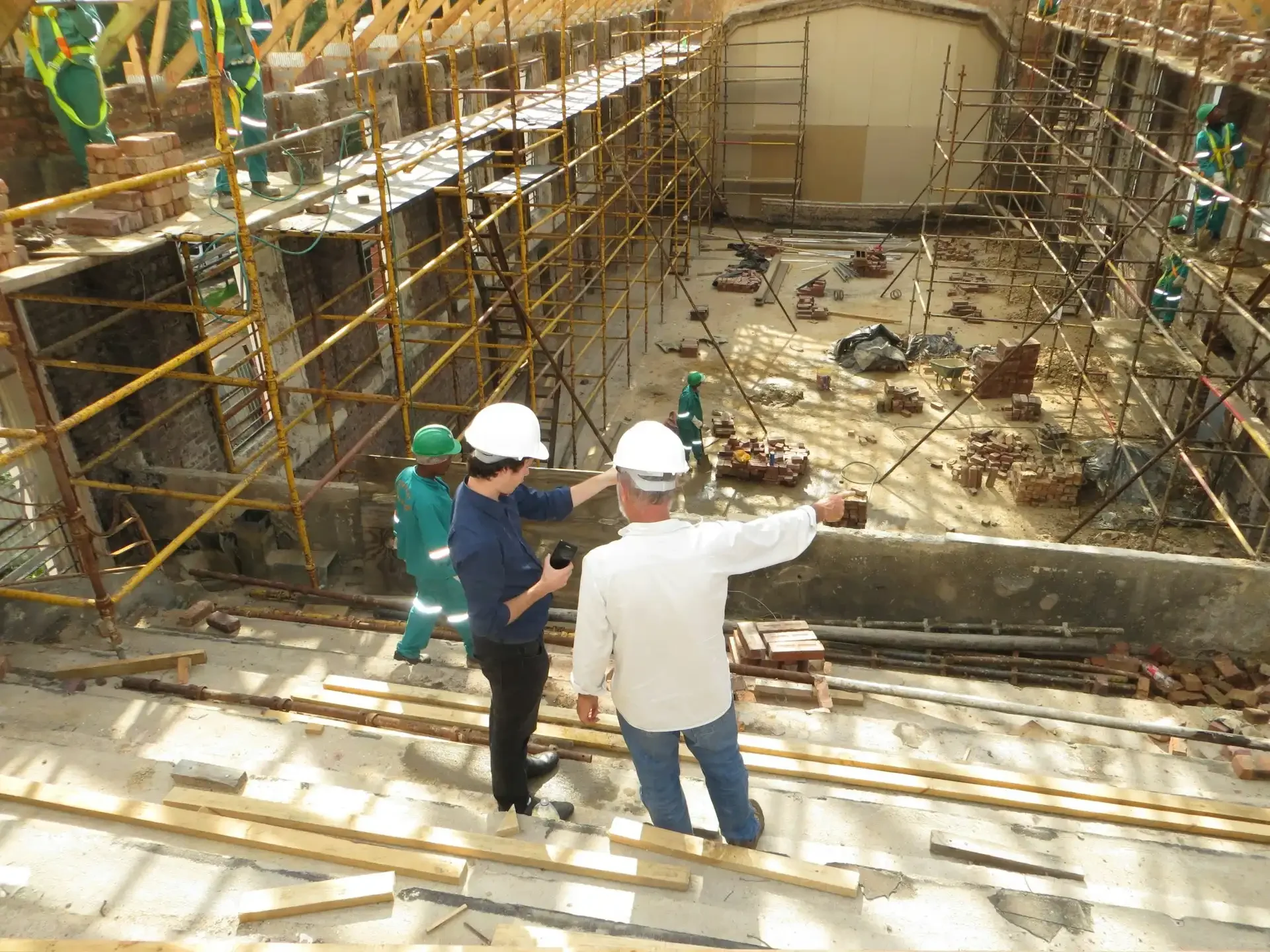
Las Vegas commercial construction in 2026 is shaped by four forces: the resort renovation cycle on the Strip, industrial expansion in North Las Vegas and Henderson, healthcare growth in Summerlin and Southwest Valley, and labor migration to the Reno data center corridor that's pulling skilled trades north. Each force changes the cost picture for a different building type. A Strip resort renovation in 2026 looks nothing like an industrial warehouse build in North Las Vegas in the same year — different labor pool, different code path, different bid stack, different schedule risk profile.
The numbers below come from TCG's project work in the Las Vegas metro area, RSMeans 2026 city-cost-index data for Clark County, and Q1 2026 trade rate tracking from regional bid coordination across the Southwest. Pricing is vertical hard cost — earthwork, structure, envelope, MEP, finishes, equipment. Land, soft costs, permit fees, and developer fees sit on top. Where ranges are wide, the spread is usually driven by Strip vs off-Strip location and union vs open-shop labor. For a broader view of how soft costs stack on top, see our A&E fees and soft costs guide.
Cost by Building Type in Las Vegas (2026)
Pricing for the major commercial building types in the Las Vegas metro. Bars below show approximate position within the Las Vegas commercial range — wider fill means higher cost density per SF.
Light Industrial / Warehouse
North Las Vegas, Henderson, Apex Industrial. Tilt-up dominant; PEMB on smaller scopes. Dock ratios 1:8,000–10,000 SF. Heat-resistant TPO roofing standard.
PEMB Cold Storage
IMP envelope critical for desert heat. Refrigeration sizing 1 ton per 125 SF cooled, 1 ton per 90 SF freezer. Roof color/coating impact significant.
Class B Office Shell
Summerlin, Henderson, Southwest Valley. Curtainwall + punched window mix. Heat-rejection glazing premium $4–$8/SF over standard low-E.
Medical Office / MOB
Henderson, Summerlin, Centennial Hills growth corridors. Imaging, exam rooms, ATS/generator. Kaiser, HCA Healthcare, Valley Health expansion.
QSR / Restaurant (Off-Strip)
Drive-thru standard. Heat exhaust hood + condensate management. Strip casino F&B is on a different planet at $1,200–$2,500+/SF. See our QSR cost guide.
Hospitality (Strip / Resort)
Select-service $480–$850/key. Upscale $1,200–$2,400+/key. Brand standard-driven (Marriott, Hilton, Hyatt). Union shop labor; 24/7 schedule premium.
A 38,000 SF Class B medical office shell in Henderson came to us at GMP from a regional GC at $258/SF. The owner asked for a second opinion. We re-priced through preconstruction and our Southwest sub network and brought it back at $232/SF. The $26/SF gap (roughly $988,000) was concentrated in three line items: HVAC sizing (the original GC had spec'd 1 ton per 350 SF — appropriate for Houston, oversized for Henderson where exterior glazing and zone occupancy didn't justify it; correct sizing was 1 ton per 425 SF), curtainwall heat-rejection glazing (the original spec was a $14/SF heat-mirror unit; a standard low-E with mid-range solar heat gain coefficient performed identically in the Henderson sun for $7/SF), and structural steel (Phoenix-priced tonnage on a Henderson site that has cheaper local steel fabricator options). None of the changes affected building performance. All three came from the original GC pricing the building like they were estimating in another metro and not adjusting for Las Vegas-specific market conditions.
Las Vegas Sub-Market Cost Grid
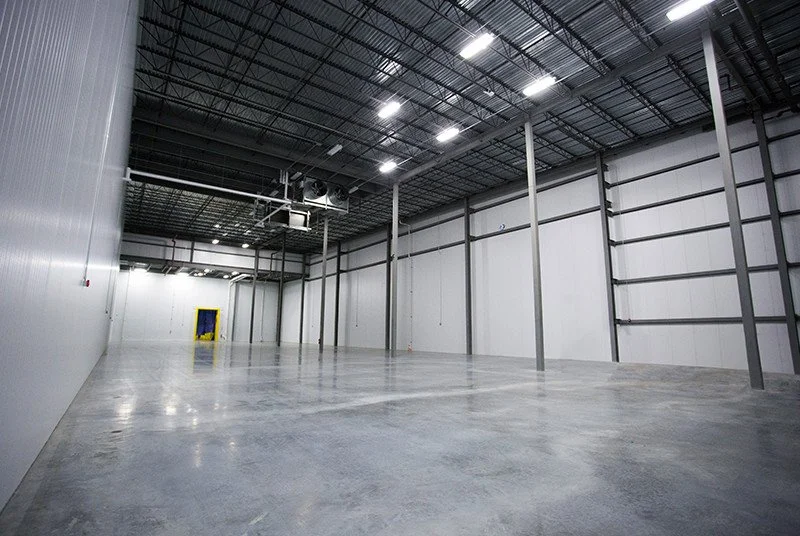
Las Vegas isn't one market. It's at least six distinct sub-markets with different labor pools, permitting jurisdictions, and code environments. Pricing by sub-market for a typical 60,000 SF Class B office shell:
Strip / Resort Corridor (Clark County)
Henderson
North Las Vegas
Summerlin / NW Las Vegas
Southwest Valley (Spring Valley, Enterprise)
Boulder City / Outlying
Six-Metro Southwest Comparison
How Las Vegas commercial pricing benchmarks against adjacent Southwest and Mountain West metros for the same building types in 2026:
| Metro | Class B Office Shell | Light Industrial | PEMB Cold Storage | Notable Driver |
|---|---|---|---|---|
| Las Vegas, NV | $190–$265/SF | $115–$175/SF | $290–$445/SF | Hospitality labor; off-Strip Henderson 12–22% discount |
| Phoenix, AZ | $195–$245/SF | $110–$165/SF | $285–$435/SF | Semiconductor labor pull; West Valley data center |
| Salt Lake City, UT | $185–$255/SF | $108–$155/SF | $275–$425/SF | Tech corridor pricing; Wasatch labor pool |
| Reno, NV | $195–$270/SF | $112–$170/SF | $285–$445/SF | Data center labor demand; Tahoe seasonal labor pull |
| Albuquerque, NM | $170–$235/SF | $98–$148/SF | $255–$395/SF | Federal lab demand (Sandia/LANL); lowest in 6-metro |
| Tucson, AZ | $165–$225/SF | $95–$140/SF | $245–$385/SF | Smaller market; thin sub-bench; mobilization premium |
Underwriting a Las Vegas commercial deal?
Upload your massing or scope and TCG.ai returns a market-calibrated cost range in under 60 seconds — Strip, off-Strip, Henderson industrial, or Summerlin medical office.
Single-Source Las Vegas Commercial GC — From Underwriting to Substantial Completion
Las Vegas projects benefit from a GC that brings consistent project executive coverage, self-performed envelope and roofing, and a pre-vetted Southwest sub network. TCG runs design-build, preconstruction, construction management, and owner's rep on Las Vegas commercial work across all building types.
Six Things That Move Las Vegas Cost the Most
Strip vs Off-Strip Labor Path
Strip work runs union-heavy with hospitality wage book through the Las Vegas Building & Construction Trades Council; off-Strip Henderson and North Las Vegas runs open-shop. 18–28% delta on labor portion of hard cost. Off-Strip pricing closer to Phoenix baselines.
Summer Heat Productivity Loss
June–September NIOSH WBGT thresholds shift work to early-AM (4:30–10:30 AM) for outdoor-intensive scopes. 30–50% afternoon productivity loss in direct sun. Plan 6–12% schedule premium on summer-active phases.
HVAC Sizing for Desert Climate
Right-sizing matters more here than most metros. Oversize 0.5 tons per zone in a Houston spec carries through to Vegas as 30% over-tonnage and $80k–$280k of unnecessary cost on a 60,000 SF building. See commercial HVAC cost guide.
Glazing & Solar Heat Gain
Title 24-style envelope thinking applies — Nevada uses 2018 IECC with state amendments. SHGC of 0.25 or below typical commercial requirement. Heat-rejection glazing premium $4–$8/SF over standard low-E.
Permitting Jurisdiction Choice
Henderson 6–12 wks typical commercial vs Clark County 8–16 wks vs Strip-corridor 16–28 wks. Site selection includes AHJ choice. See our state-by-state permitting guide.
Reno Data Center Labor Pull
Northern NV data center build-out (Tahoe-Reno Industrial Center, hyperscaler expansions) pulling skilled trades north. Most affects HVAC, electrical, refrigeration, controls — same trades Vegas needs for hospitality and cold storage. 8–14% wage premium vs 2024.
The Heat Premium Las Vegas Owners Underestimate
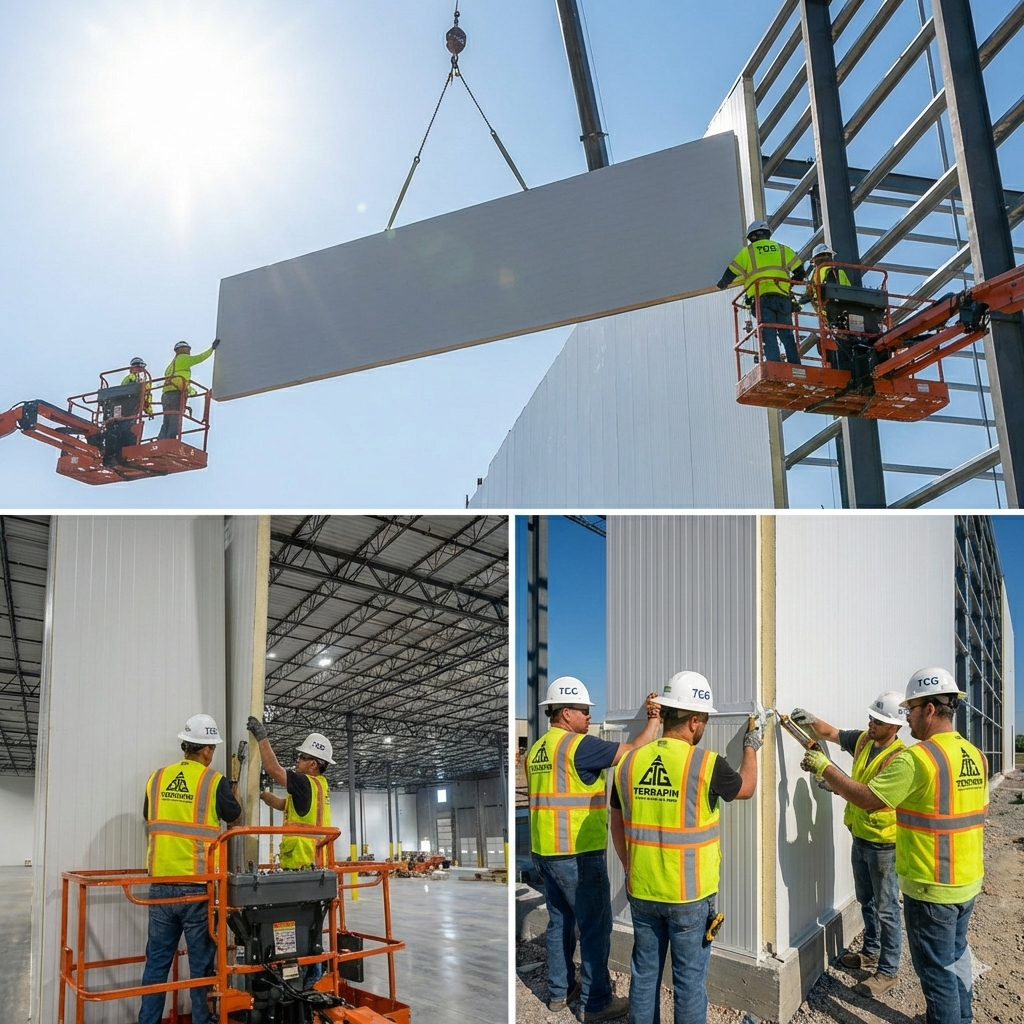
Out-of-market developers — particularly those used to building in coastal markets or the Midwest — routinely underestimate the cost and schedule impact of summer heat on a Las Vegas commercial build. The misconception is that crews "are used to" the heat and work through it. They don't. NIOSH heat-stress criteria don't accommodate acclimatization above certain WBGT thresholds, and OSHA's 2024 heat enforcement guidance leans hard on contractors who don't have written heat-illness prevention programs.
The real impact is concentrated June through September. Work shifts to 4:30 to 10:30 AM start times for outdoor-intensive scopes (paving, exterior finishes, roofing). Crew rotations get more frequent. Hydration breaks are mandatory. Tear-off and hot-work scope (TPO welding, modified bitumen) typically gets cut off at 95°F WBGT — which means most afternoons in July and August. The schedule impact runs 6 to 12 percent on phases active during summer; cost impact 2 to 5 percent on labor for those phases. National Weather Service Las Vegas climate data shows an average of 73 days above 100°F per year, concentrated June through September.
The fix on the schedule side is honest planning at the front end — assume reduced summer productivity in the construction schedule and don't try to pretend it away. The fix on cost is lighting, water stations, shade structures, cooling vests for hot-work crews, and an active heat-illness prevention program. None of these are big-ticket items individually; together they add roughly $0.20 to $0.45 per SF of building footprint over a summer-active construction term. For broader 2026 labor market context, see our construction labor shortage analysis.
Hospitality on the Strip: A Different Animal
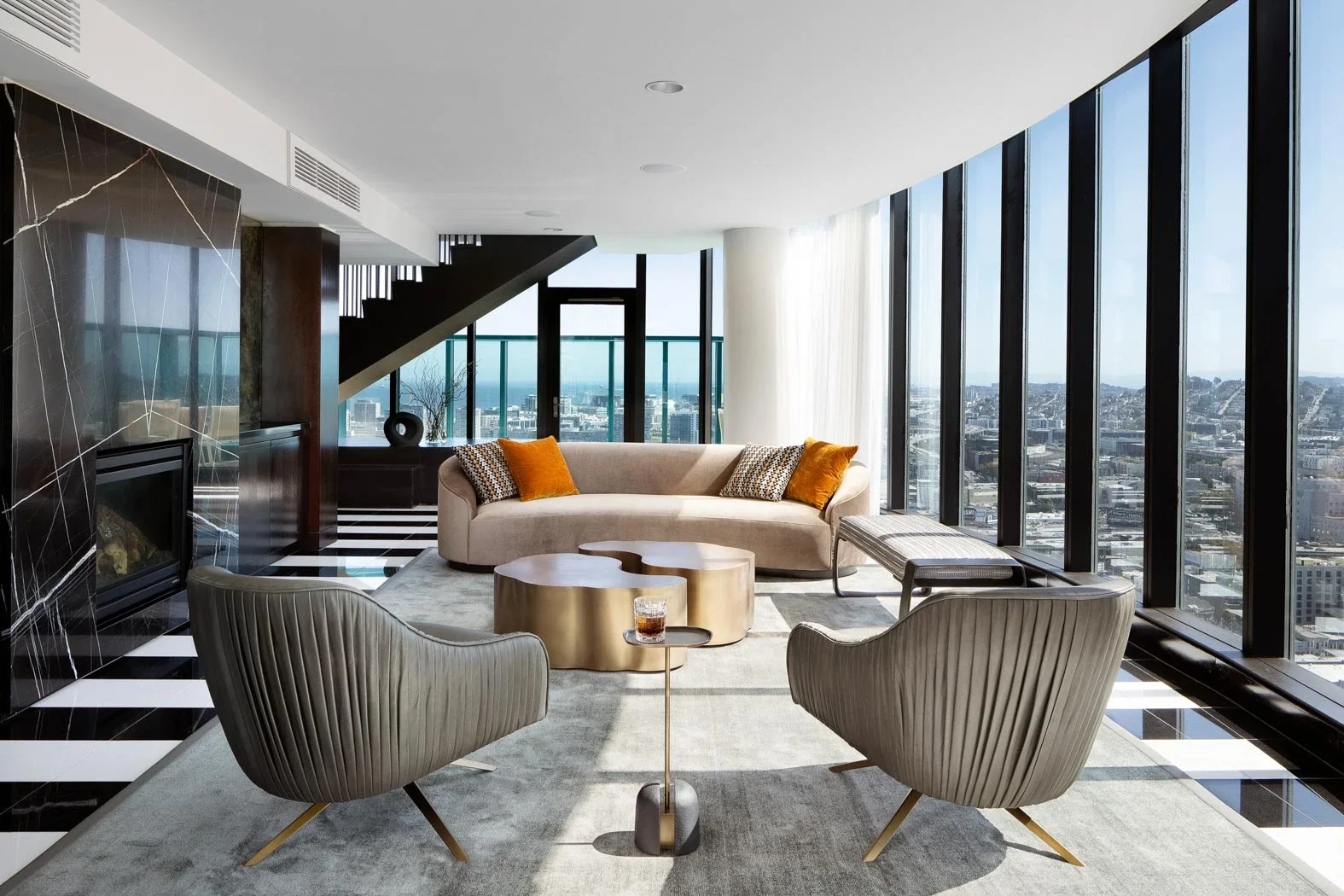
Strip and resort hospitality construction in Las Vegas operates under a separate set of rules from general commercial. Brand standards (Marriott Premier, Hilton, Hyatt) drive specification well above standard select-service hospitality. Union labor is the default — most resort properties have collective bargaining agreements that make non-union work effectively impossible on any project tied to a Strip resort. Gaming integration on any property with gaming floor adjacency adds Nevada Gaming Control Board review to the permit path. Hospitality 24/7 schedule premium during renovation work (working around occupied rooms) drives night-shift labor and sequence constraints. See our high-end restaurant cost guide for adjacent F&B benchmarks and our QSR coffee shop guide for off-Strip food-service economics.
Select-service hospitality on the Strip lands at $480 to $850 per key for a typical limited-service brand. Upscale and resort hospitality runs $1,200 to $2,400+ per key with brand and theming. Convention hotel work and resort F&B can push well above that. Off-Strip and suburban hospitality (Henderson, Summerlin) prices closer to general Sunbelt hospitality at $320 to $620 per key for select-service. Renovation cycles on existing Strip properties typically run 8 to 12 years, and several major properties are mid-cycle in 2026 — driving sustained demand for hospitality trades.
Permitting Jurisdictions in the Las Vegas Metro
The Las Vegas metro has three main municipal jurisdictions plus Clark County for unincorporated areas. Each has separate permitting processes, plan review staff, and inspection schedules. Choosing site location is also choosing AHJ.
| Jurisdiction | Coverage | Typical Commercial Permit Window | Notes |
|---|---|---|---|
| City of Las Vegas | Downtown, Arts District, parts of NW LV | 10–18 weeks | Downtown gentrification driving TI volume; staff capacity variable |
| City of Henderson | Henderson, parts of Anthem | 6–12 weeks | Reputation for predictable timeline; healthcare and MOB-friendly |
| City of North Las Vegas | North LV, Apex Industrial | 8–14 weeks | Industrial-friendly; Apex Industrial Park dedicated process |
| Clark County (unincorporated) | The Strip, Spring Valley, Enterprise, Summerlin South | 8–16 wks (commercial); 16–28 wks (resort) | Largest jurisdiction by project volume; resort permitting adds gaming review |
A national developer asked us to GMP a 145,000 SF cross-dock industrial building in North Las Vegas Apex. Their Phoenix-priced budget showed $128/SF. We re-priced through our Southwest sub network and brought it back at $134/SF — 5% above the Phoenix benchmark, not the 18-28% labor delta you might expect from union-influence narratives. Reason: cross-dock industrial in Apex is essentially open-shop, off-Strip, with very little hospitality wage influence. The developer underwrote the deal correctly and pulled the trigger. Lesson: the off-Strip industrial market in Las Vegas behaves much more like Phoenix than like the Strip on labor pricing — but the Strip narrative still bleeds into how out-of-market underwriters perceive the whole metro. Get a second opinion on Vegas pricing if your model is built on Strip-narrative assumptions.
Don't price a Las Vegas deal with a Phoenix estimate. They aren't the same market.
It happens more often than it should. A developer with experience in Phoenix or Tucson assumes Las Vegas will price within a few percent of those metros because the climate is similar and the labor pool feels comparable. The HVAC sizing math is roughly the same. The structural code is roughly the same. So the estimate carries forward.
What gets missed: Las Vegas hospitality labor influences trades pricing across the whole metro in ways that don't apply in Phoenix. The Strip and resort corridor sets a wage and benefit baseline that bleeds into off-Strip work — particularly on the trades that work both worlds (electrical, mechanical, sheet metal, drywall). Phoenix doesn't have a Strip-equivalent demand source pulling trades labor up. The result is that off-Strip Las Vegas commercial work runs roughly 8 to 14 percent above Phoenix on labor-intensive scopes even though both markets are open-shop with similar demographic baselines. We'd never let a developer underwrite a Las Vegas deal with Phoenix-sourced labor pricing without an explicit Vegas adjustment.
Counter-view: if the trade pool is the same and the materials are the same, the pricing should converge over time. True in theory; not yet true in practice. The Strip is structurally different from anything in Phoenix's commercial market and that difference shows up in regional labor pricing for a long way out from the Strip itself. Pull a real preconstruction estimate for any Las Vegas deal you're underwriting against; don't trust a regional benchmark from an adjacent metro.
Building IMP, PEMB, or Cold Storage in Southern Nevada?
TCG self-performs IMP installation across 38 states with 1M+ SF of cumulative install. Upload your panel layout and get a turnkey supply-and-install estimate calibrated for desert climate and Vegas labor.
Pricing a Las Vegas Commercial Project? Get a Second Opinion.
TCG runs preconstruction and design-build commercial work across Las Vegas, Henderson, North Las Vegas, Summerlin, Boulder City, and the broader Clark County market. Send us your scope, site, and target schedule — we'll come back with a Vegas-calibrated budget you can underwrite against, with explicit Strip vs off-Strip pricing.
Las Vegas Commercial Construction FAQ (2026)
What does commercial construction cost in Las Vegas in 2026?
Does Nevada have a prevailing wage that applies to commercial construction?
How much does the desert heat affect construction in Las Vegas?
What is the labor rate in Las Vegas commercial construction?
What are the active commercial development drivers in Las Vegas in 2026?
How long does it take to get a commercial permit in Las Vegas?
Are there seismic considerations for commercial construction in Las Vegas?
What are typical wind loads for Las Vegas commercial construction?
Is it cheaper to build off-Strip in Henderson or North Las Vegas?
Does TCG operate in Las Vegas and Southern Nevada?
How does Las Vegas commercial construction compare to Phoenix?
What is the difference in cost between Strip resort hospitality and off-Strip hospitality?
- RSMeans 2026 City Cost Index — Clark County, Las Vegas Metro Area
- BLS Occupational Employment Statistics — Las Vegas-Henderson-Paradise MSA, May 2025 with Q1 2026 trade-rate updates
- NRS 338 — Nevada State Prevailing Wage Statute
- Nevada Labor Commissioner — Prevailing wage determinations 2025-2026
- Las Vegas Building & Construction Trades Council — Collective bargaining wage tables 2025-2026
- ASCE 7-22 — Wind and seismic mapping for Clark County and surrounding jurisdictions
- NIOSH Heat-Related Illness Prevention Criteria (NIOSH 2016)
- OSHA Heat Enforcement Guidance (2024)
- Clark County Building Department — Permit volume and timeline reporting Q1 2026
- City of Las Vegas Building & Safety
- City of Henderson Building & Inspections
- City of North Las Vegas Building Safety
- 2018 IECC with Nevada State Amendments — Envelope and lighting code baseline
- Nevada Gaming Control Board — Resort property review process
- National Weather Service Las Vegas — Climate normals and 100°F day frequency
- Nevada State Contractors Board — Licensing requirements for commercial GCs
- Associated General Contractors of America (AGC) — Construction Inflation Alert, March 2026
- International Code Council — IBC 2024 occupancy classifications
- Howard Hughes Holdings — Summerlin master-planned community development data
- TCG project estimating data on Las Vegas metro projects 2022-2026 plus Q1 2026 Southwest regional bid coordination
